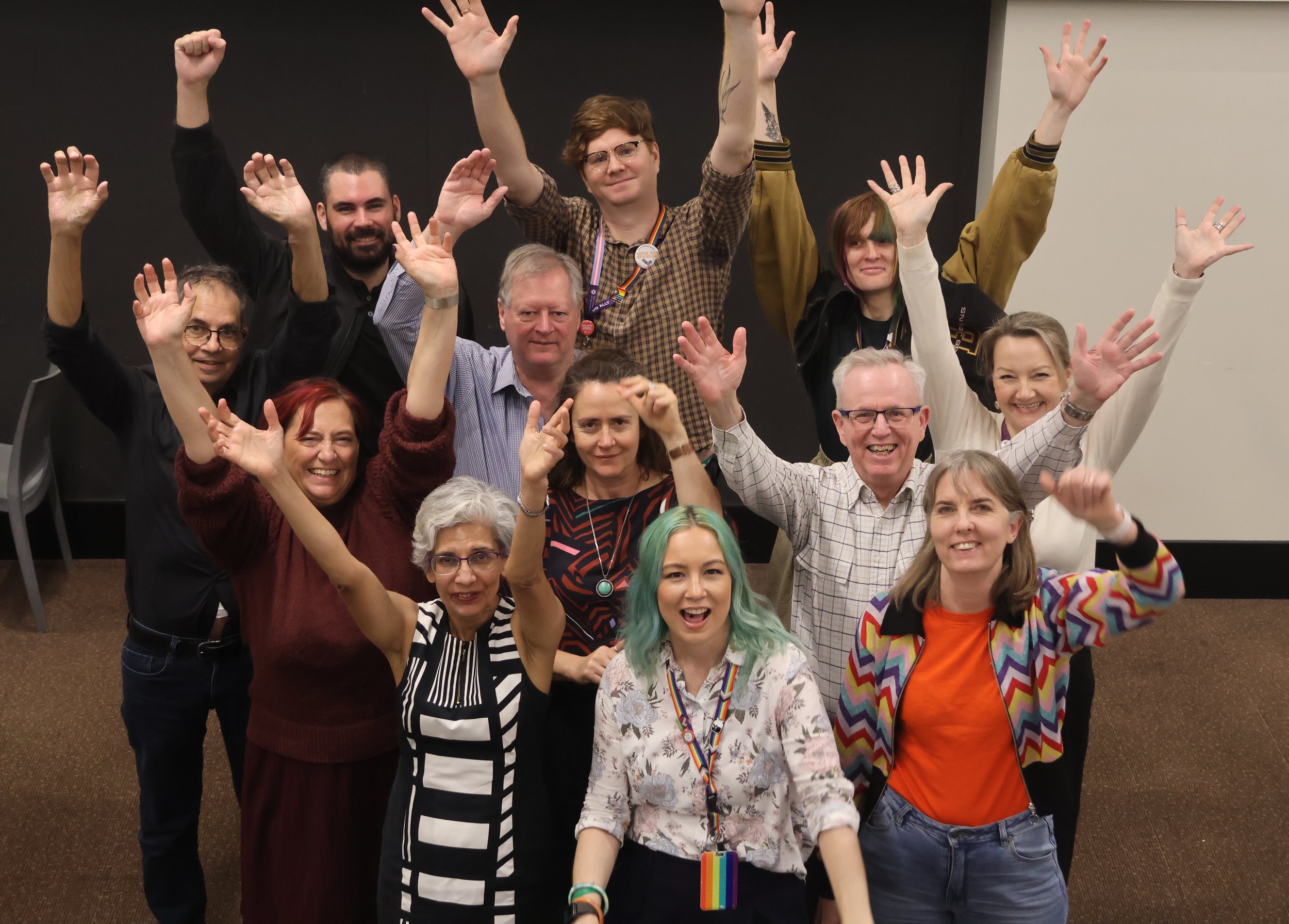
Who is the union?
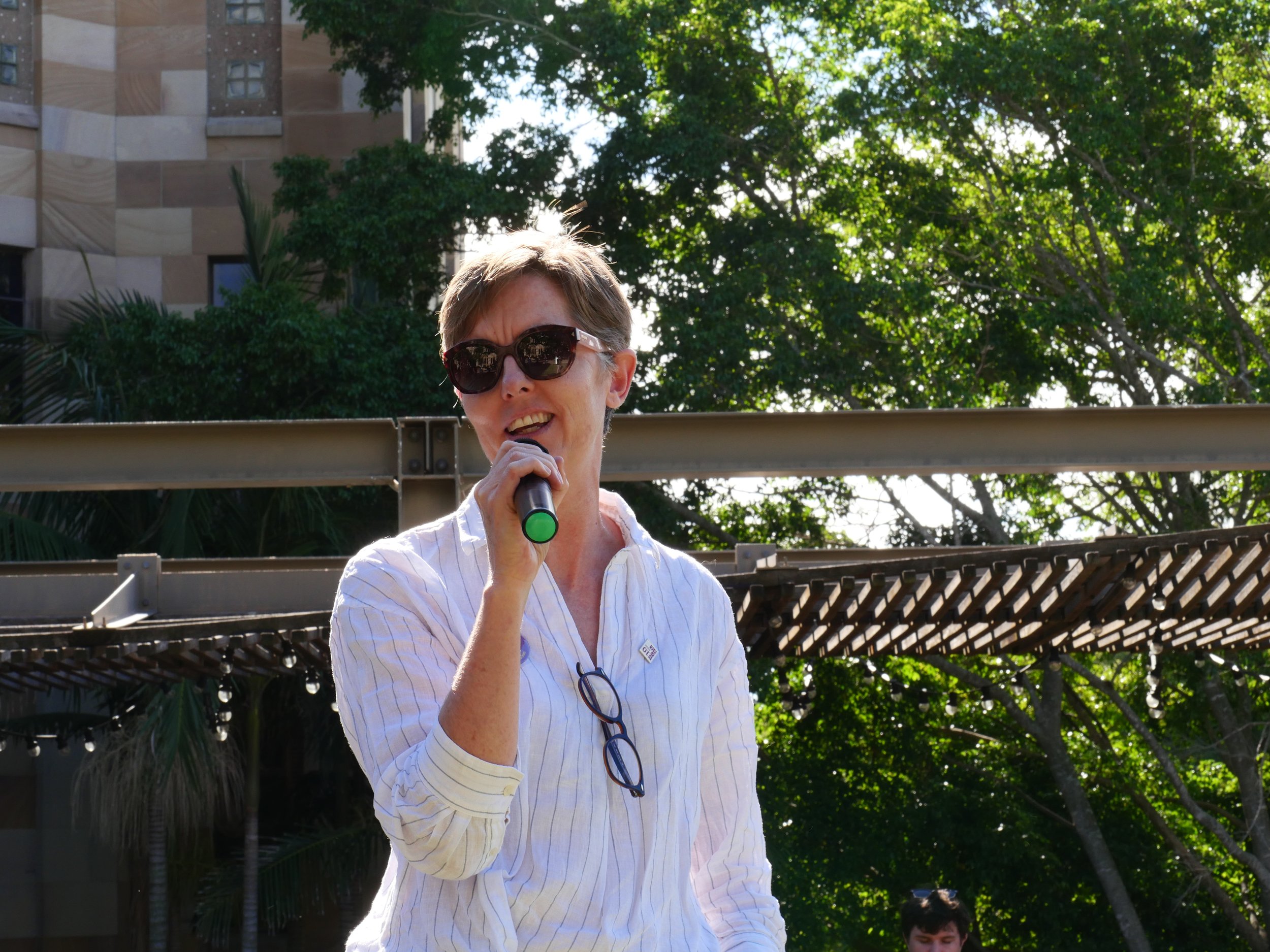
Your NTEU is made up of hundreds of members.
Hear from some below about their experiences and their vision for a better UQ.
Italy, Minneapolis and You
This is a 6-min read in-depth opinion article by Izzy Ariff, one of our committed UQ Activists.
On the 3rd of October 2025, millions heeded the call of the Italian General Confederation of Labour (CGIL), the main union confederation in Italy, taking to the streets and shutting down their workplaces and cities in an exercise of industrial strength the likes of which has not been seen in decades and that shook the once ironclad commitment to supporting the genocide of Palestinians that states around the world have demonstrated.
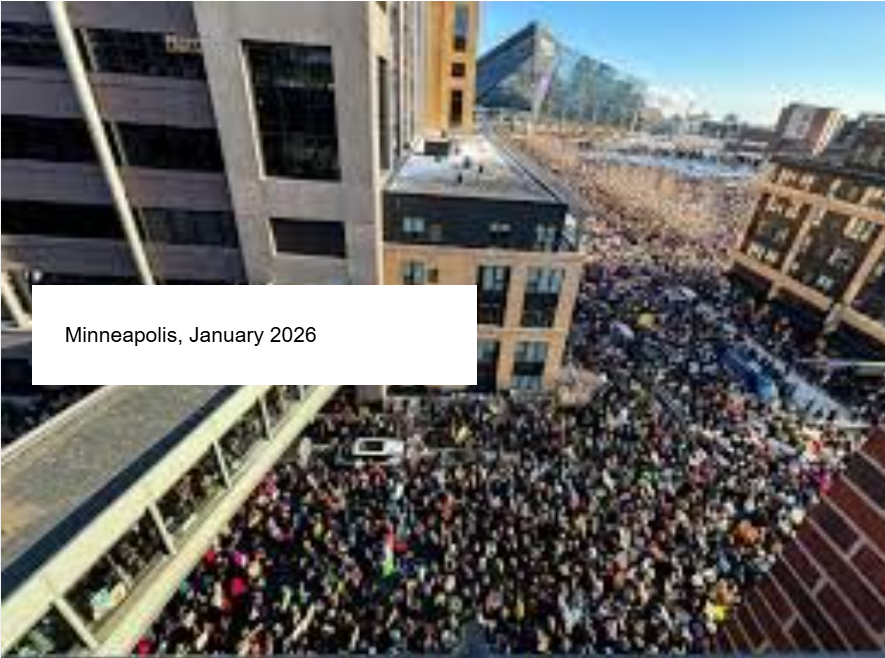
On January the 23rd 2026, a general strike and campaign by the tens of thousands of the people of Minneapolis, endorsed by the American Federation of Labor and Congress of Industrial Organizations (AFL-CIO), forced the withdrawal of over a 1000 ICE thugs from their city and the recall of Border Patrol chief Gregory (Bovine) Bovino, who was stripped of his title as ‘commander at large’; stymying the nascent neo-brownshirts where the other much vaunted checks and balances of US ‘democracy’ had failed or worse, cooperated.
The sheer scale of these strikes is significant, but of particular importance is the explicitly political nature of the campaigns. Around the world, in fits and starts, workers are organically rediscovering the mass strike as one of the greatest weapons we have to wield against not just the bosses’ attacks on our wages and conditions, but also their control over our society.
Large labour actions are rare and challenging enough to organise on the basis of bread and butter issues that directly impact specific industries that such mass actions which directly take up broader political issues, normally (incorrectly!) perceived as beyond the purview of unions, have not been seen in much of the developed world for decades. Given this, it can be easy to think that unions have little role to play in answering the biggest questions of the day. However, historically not only has the intervention of organised labour been critical in winning our most cherished rights and victories of at least something approaching the democratic will, these moments of political struggle coincide with the highest tides of the union movement.
Here in Australia, union density has seen a general trend of decline from the highpoint of the 1960s and 70s, when trade unionists were early and important parts of the resistance to the Vietnam War, with the Seaman’s Union of Australia (SUA) going as far as to ban work nation-wide on any US ships. Nor was union participation in social struggle limited to anti-war resistance. Unionists, particularly in the militant Builder’s and Labourer’s Federation (BLF), took action on LGBTQI+ rights and environmental protection, initiating the first industrial action for gay rights, which came to be known as the ‘pink bans’, in 1973, coming not long after the success of the ‘green bans’ that prevented the destruction of both native bushland and the historic Rocks suburb of Sydney in 1971 (as well as constructing the Sydney Opera House partially under worker’s control). Our union movement was not only instrumental in the origin of gender, sexual and racial liberation as well as environmental movements, it struck decisive blows for their progress and grew stronger while doing so.
From the humble position we find ourselves in right now, such action can seem unthinkable, but again from Milan to Minneapolis, the way forward is being demonstrated. While the major labour actions were eventually supported by the big labour confederations (the CGIL and AFL-CIO), initially union leadership was hesitant to throw their weight behind the fight. It took a dedicated, militant minority with solid political instincts to change that.
In Italy, the call to strike came first from the Autonomous Port Workers Collective (CALP), who were inspired by marches 50,000 strong in Genoa on the 1st of September, as the city hosted the Global Sumud Flotilla that sought to break the siege on Gaza. Their position crystalised in the slogan “blocchiamo tutto!” (“block everything!”), a promise of what would happen should the flotilla be molested. The Syndicalist Base Union (USB), one of the ‘base’ unions set up to organise rank and file workers expressly to prosecute class struggle and break the torpor and stranglehold of the bureaucratised larger union confederations, rapidly adopted the campaign. The reach of these base unions is limited to a militant minority of Italian workers, but the roots they did have combined with an accurate assessment of the simmering rage and growing mass movement for Palestine spread enthusiasm spread amongst workers like wildfire. The first general strike was planned by the base unions for the 22nd of September.
In an attempt to undermine this organic organisation and reassert control over the worker’s movement, the CGIL called a last-minute, ill-organised action on the 19th. Despite the lack of action outside of transportation and education workers, contrary to the intentions of the bureaucrats, this helped legitimise the plans for the 22nd, where striking workers and a mass movement would feel confident enough to defy the police, who had been freshly empowered with new anti-protest laws, blocking roads and ports in more than 80 cities, even without the full backing of the CGIL or other major union confederations. The momentum only built until the Flotilla was attacked on the 1st of October, instantly setting into motion snap actions of thousands and building the pressure until the CGIL backed the great general strike on October 3rd.
Similar stories played out in the USA. As the site of George Floyd’s murder by the police in 2020, Minneapolis drew on traditions and networks of resistance built from bitter experience during the Black Lives Matter movement. Community and church groups were the first to raise the demand for “no work, no school, no shopping” as more and more people took to the streets in defence of their friends, families and neighbours. Members of the Service Employees International Union (SEIU), the American Federation of Teachers (AFT) and the Communications Workers of America (CWA) and their supporters filled the 20,000 seat capacity Target Center stadium in a show of solidarity. Finally the normally acquiescent AFL-CIO was dragged into endorsing the powerful actions of the 23rd.
In both cases a militant minority faced down police repression and an incredibly hostile political climate, with Prime Minister Georgia Meloni’s Brothers of Italy (the successor party to the Italian Social Movement fascist party founded by Mussolini supporters after WWII) and the Trump administration clearly being no friends to organised labour, and were able to catalyse crucial interventions that changed the situation. It is important to bring these lessons from abroad to our own union work, especially as we also face eroding conditions and escalating repression here at home.
by Izzy Ariff, UQ NTEU activist
Meet some UQ NTEU members
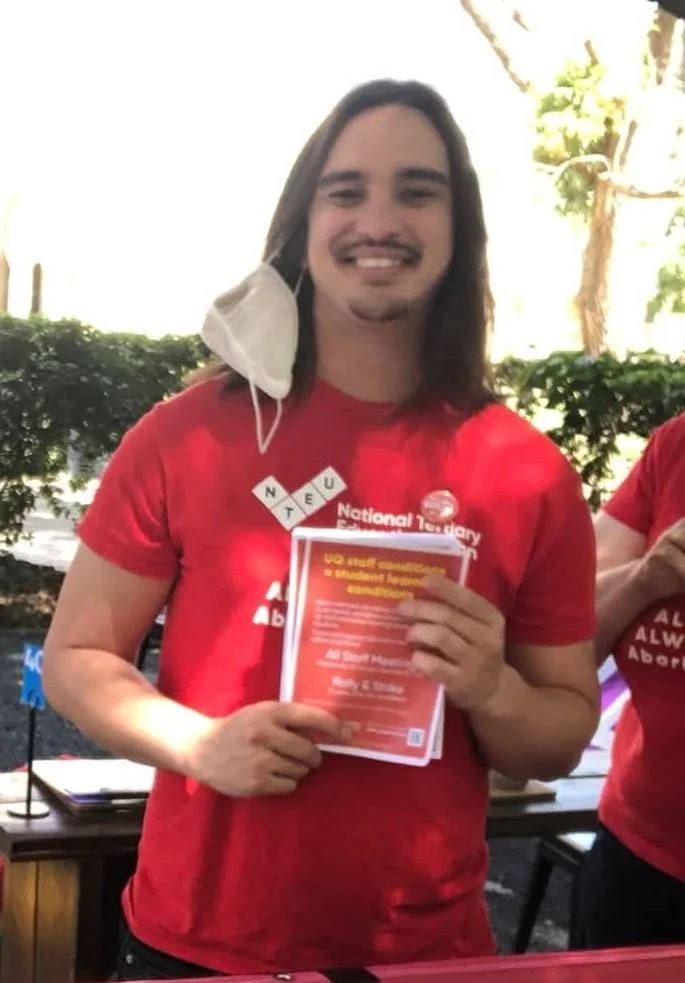
Izzy Ariff
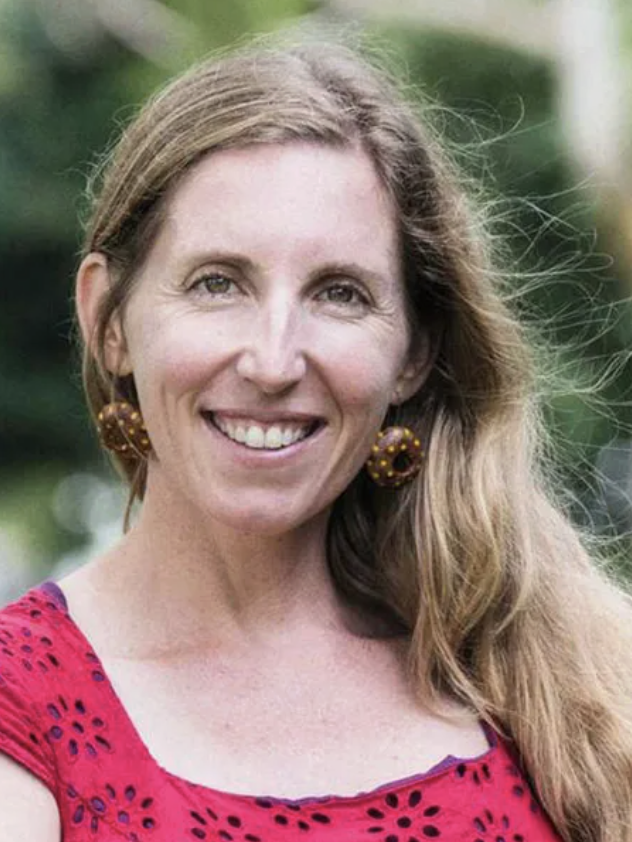
Kristen Lyons

Sharlene Leroy-Dyer
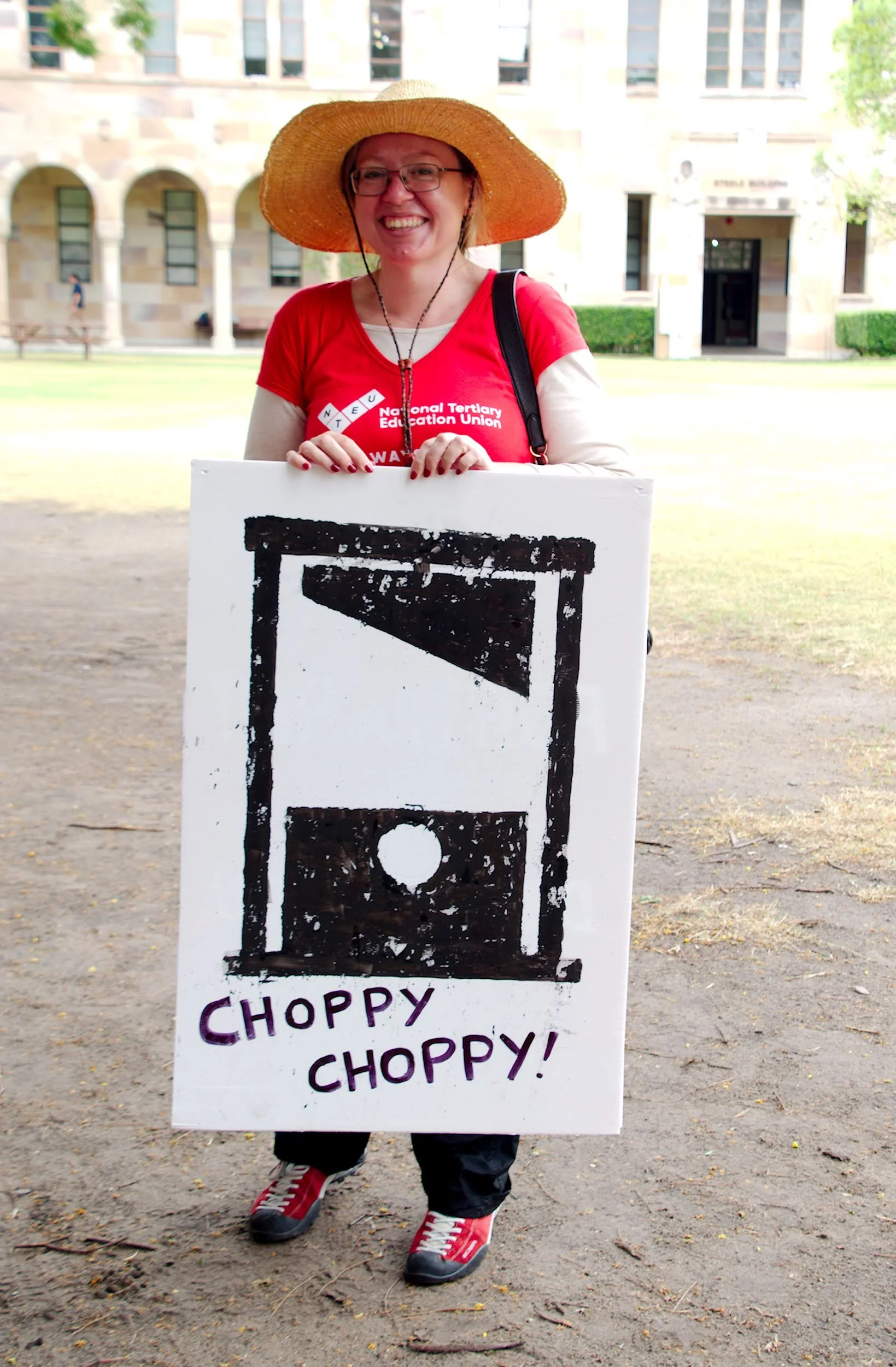
Annie Pohlman

Ravinder Sidhu
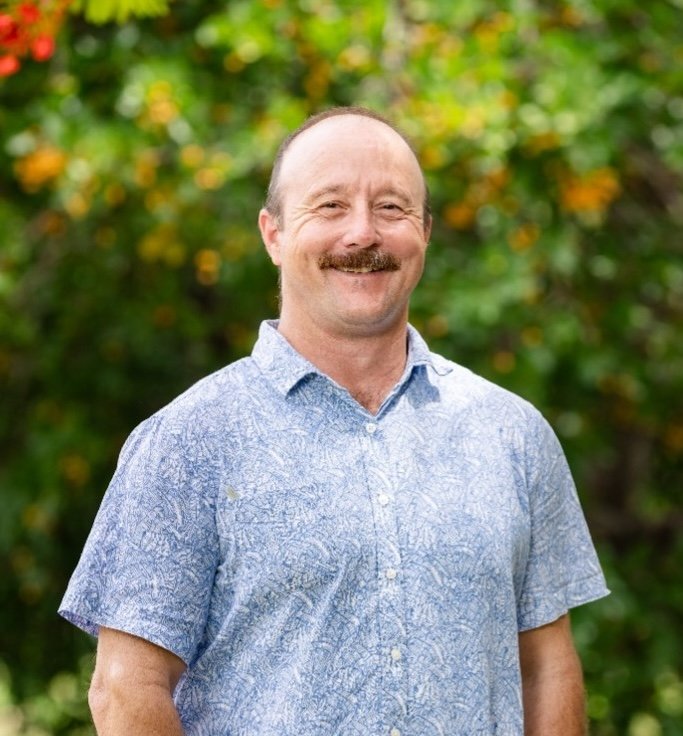
Anthony Young
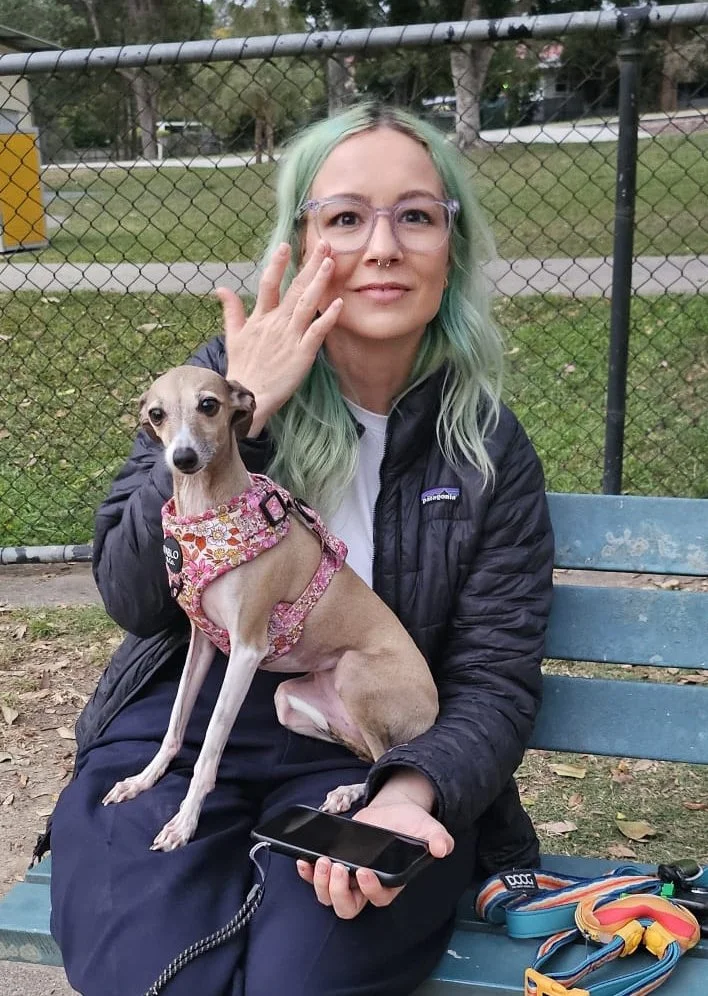
Natalie Hull
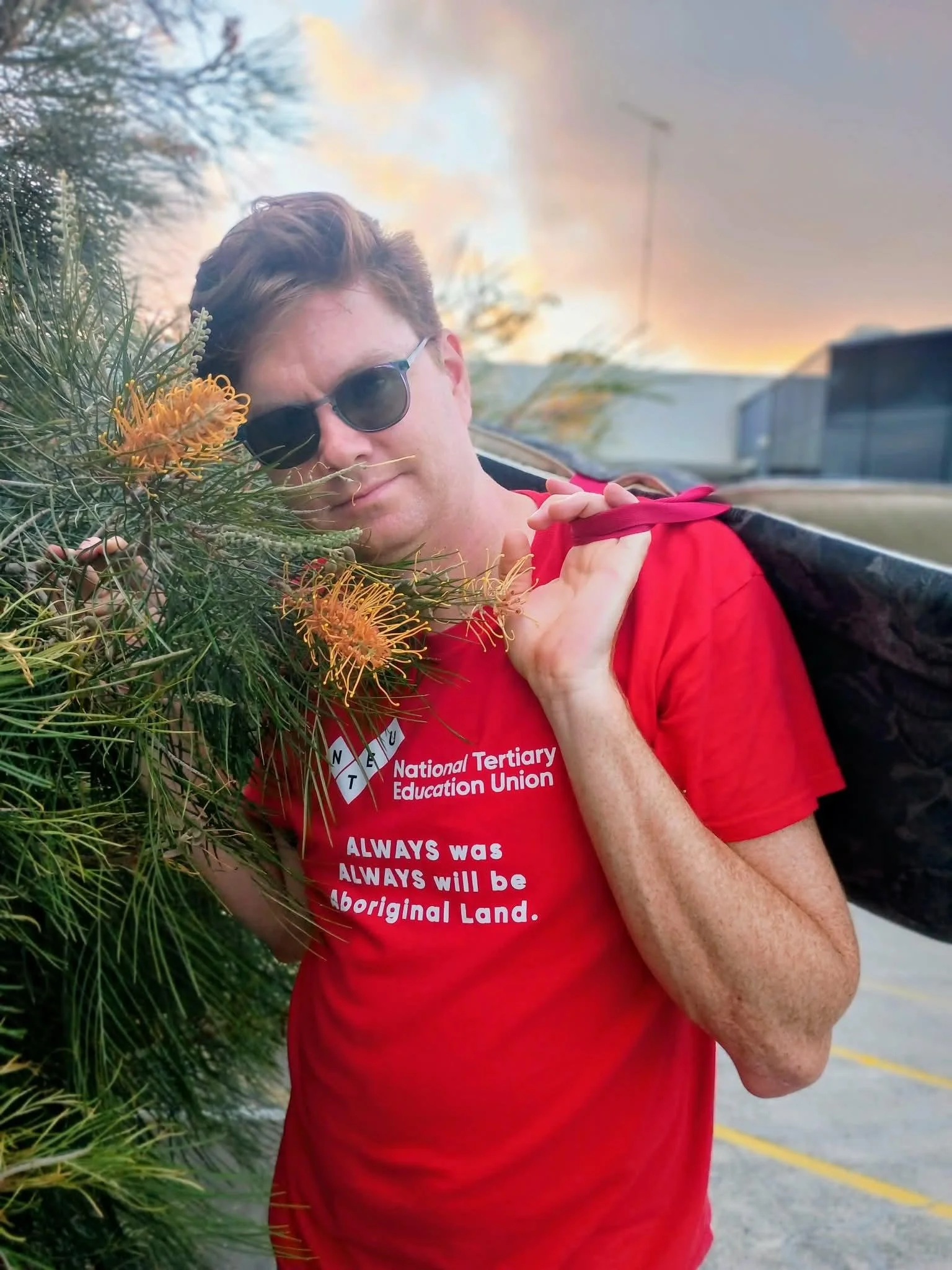
Morgan Love
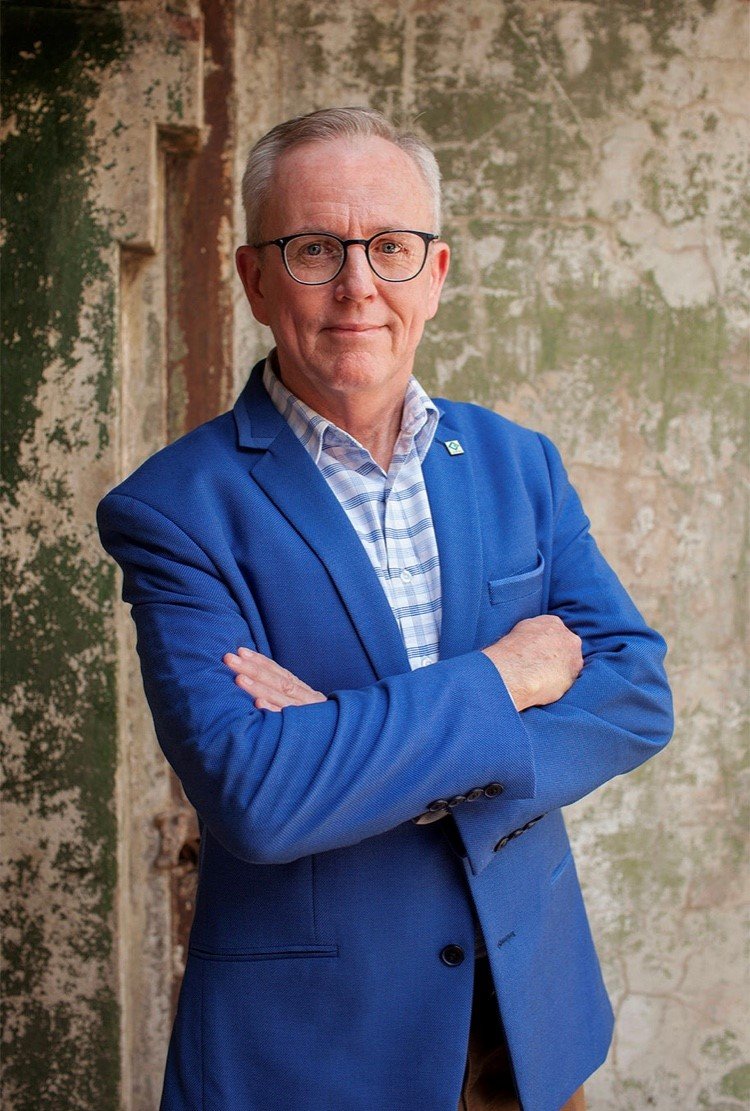
Mark Starkey
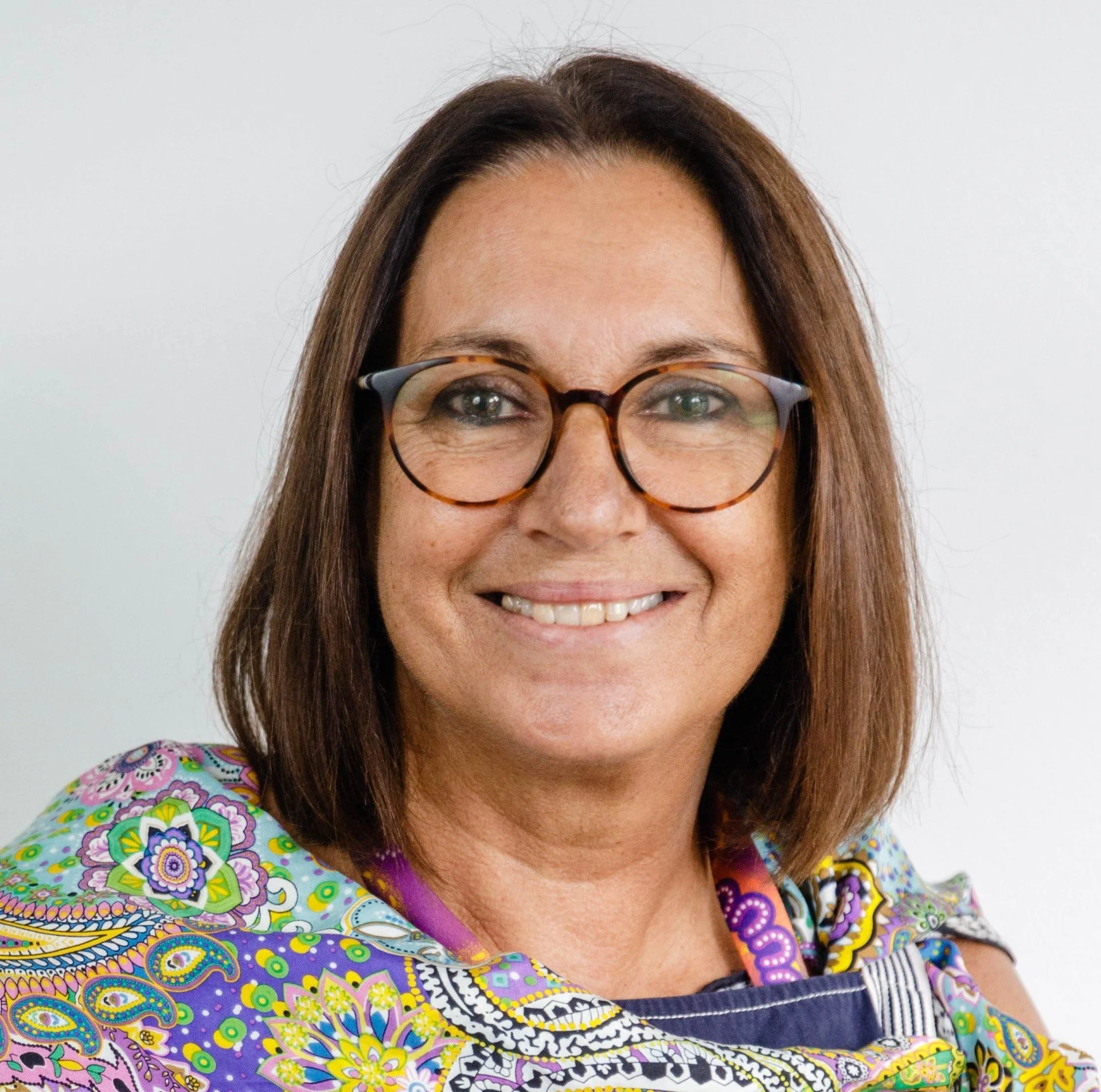
Susan Beetson
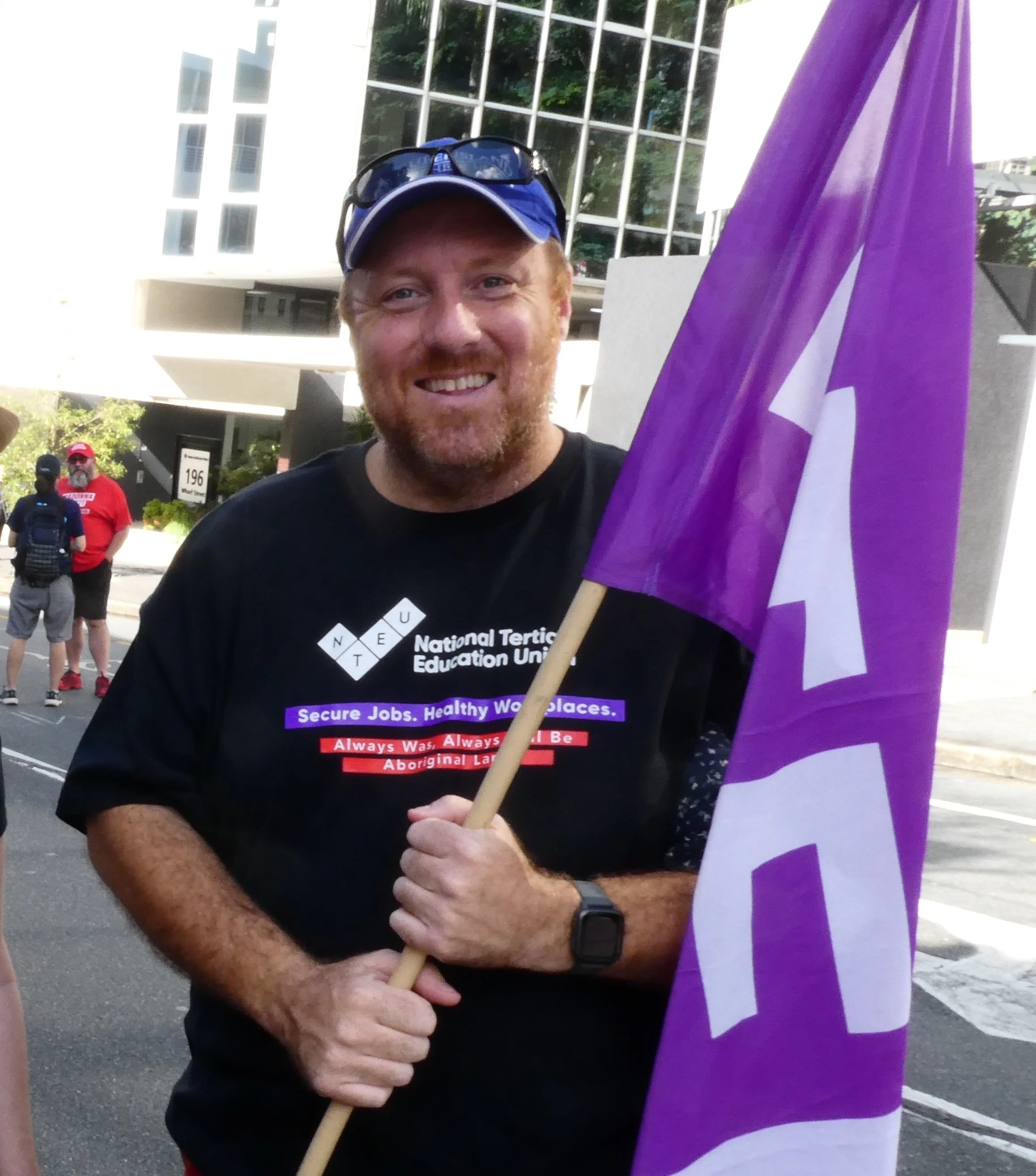
Matthew Campbell